
GEO vs Traditional SEO: What's Changing in 2026
As results become AI-synthesised, what still matters and what's new? A 2026 view of GEO vs traditional SEO for deciding where to invest.
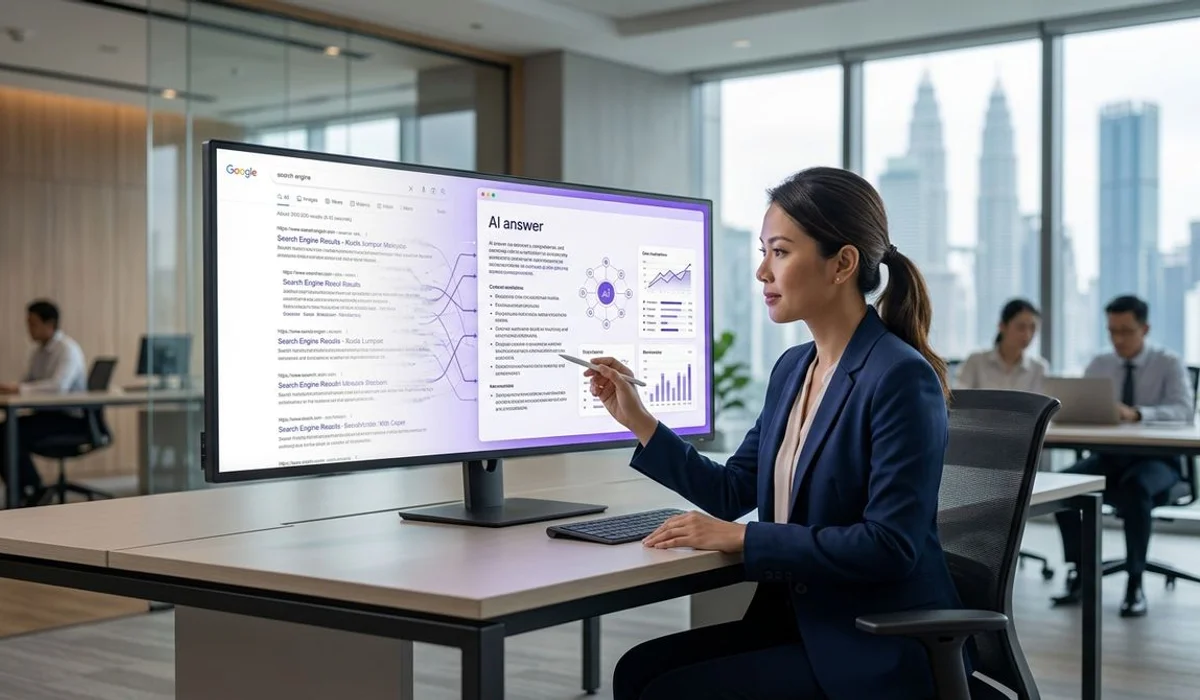
Traditional SEO isn’t dying in 2026 — it’s compounding with GEO / AI Search Optimization to create something more complete. The businesses winning the next few years are the ones investing in both together: strong technical foundations for classic ranking, and structured content plus entity authority for AI citations.
Here’s a clear-eyed view of what still matters, what’s new, and how to prioritise. (If GEO is a new term for you, start with what is Generative Engine Optimization.)
What still matters from classic SEO

The fundamentals are unchanged:
- Technical health. Fast, crawlable, well-indexed sites still outperform slow, blocked, or broken ones. Bing and Google both need to see your pages.
- Content quality. Well-written, useful content still ranks. AI engines actually amplify this: bad content is quoted less and often rewritten by the model.
- Backlinks. Still a real ranking signal on both Google and Bing. Also reinforces entity authority for AI citations.
- On-page optimisation. Title tags, headings, internal linking, semantic HTML — all still matter for both classic ranking and AI extraction.
- Local SEO. Bing Places, Google Business Profile, and NAP consistency drive local visibility across every engine.
Skipping these to chase AI-only tactics is a mistake. GEO builds on them.
What’s genuinely new in 2026

Four practices didn’t exist meaningfully three years ago:
1. Explicit content structuring for extraction.
Question-first headings, direct-answer paragraphs, and 30-80 word answer blocks are now conscious optimisation choices.
2. FAQ and QAPage schema at scale.
Once nice-to-have, now table stakes for any content that includes Q&A. Copilot, Bing Chat, and Perplexity all lean on it.
3. Entity authority signals.
Complete Organization schema, sameAs links, author bylines with Person schema, and consistent NAP across the web all feed AI trust signals.
4. Citation monitoring as a KPI.
Traditional SEO measured impressions and clicks. GEO adds a third metric: how often your business is cited by AI answer engines.
The shift in what gets rewarded
- Classic SEO rewards ranking. Position 1 gets the click.
- GEO rewards extraction. Being the source AI quotes gets you visibility even without the click.
For informational queries, both are converging: the featured snippet, the AI answer, and the top organic result often overlap. For transactional queries, ranking still drives revenue directly.
How to prioritise in 2026
For most Malaysian businesses, this order works:
- Fix technical foundations first. Indexing, crawl health, IndexNow, schema. Without this, nothing else matters.
- Restructure top 10 content pages with question-first headings and direct-answer paragraphs. Fast, high-impact.
- Deploy FAQ schema everywhere Q&A exists. Cheap, machine-readable, high signal.
- Build entity authority. Complete About page schema, sameAs links, author bylines. Once, then maintained.
- Monitor citations in Bing Chat, Copilot, and Perplexity quarterly. Adjust content based on gaps.
The honest 2026 outlook
- Total search volume: flat to slightly declining as AI answers absorb informational queries
- Total conversion volume: flat to growing as businesses adapt
- AI-citation authority: compounding for businesses that invest now; expensive to catch up later
- Bing’s role: growing, because Microsoft Copilot integration is deeper than Google’s SGE and adoption in corporate Windows environments is high
The businesses that treat 2026 as the year to build AI-search authority will look very different in 2028 from the ones that wait.
For a full GEO + classic SEO plan, book a free audit and we’ll check both your classic SEO health and your AI-search readiness.
Frequently asked
Don't see your question? Send us a message and we'll answer within one business day.